How Restaurants, Caterers and Venues Can Build Holiday Demand Before November
The holiday rush starts before the dining room looks busy.
Companies choose party dates. Families compare catering menus. Venues hold weekends. Customers ask about deposits, delivery areas and dietary options.
If marketing begins after the calendar fills up, the business is competing for whatever demand remains.
Decide which bookings matter
Holiday demand is not one category.
A restaurant may want private dining and weekday corporate parties. A caterer may want office lunches or at-home packages. A venue may need a minimum guest count. A photographer or rental company may prefer a small number of higher-value dates.
Choose:
- Target occasion
- Preferred party size
- Available dates
- Service area
- Minimum order or booking value
- Capacity per day
- Deposit and cancellation terms
The campaign should sell what the operation can deliver well.
Build one clear offer
Customers need enough information to compare options quickly.
Include:
- What is included
- Starting price or minimum where appropriate
- Guest-count range
- Available dates or booking window
- Pickup, delivery or on-site details
- Dietary accommodations
- Deposit process
- Contact or booking method
Avoid making every inquiry start with “Please call for details.” A conversation may still be necessary, but basic clarity saves time for the buyer and the staff.
Show real proof
Holiday buyers want to picture the experience.
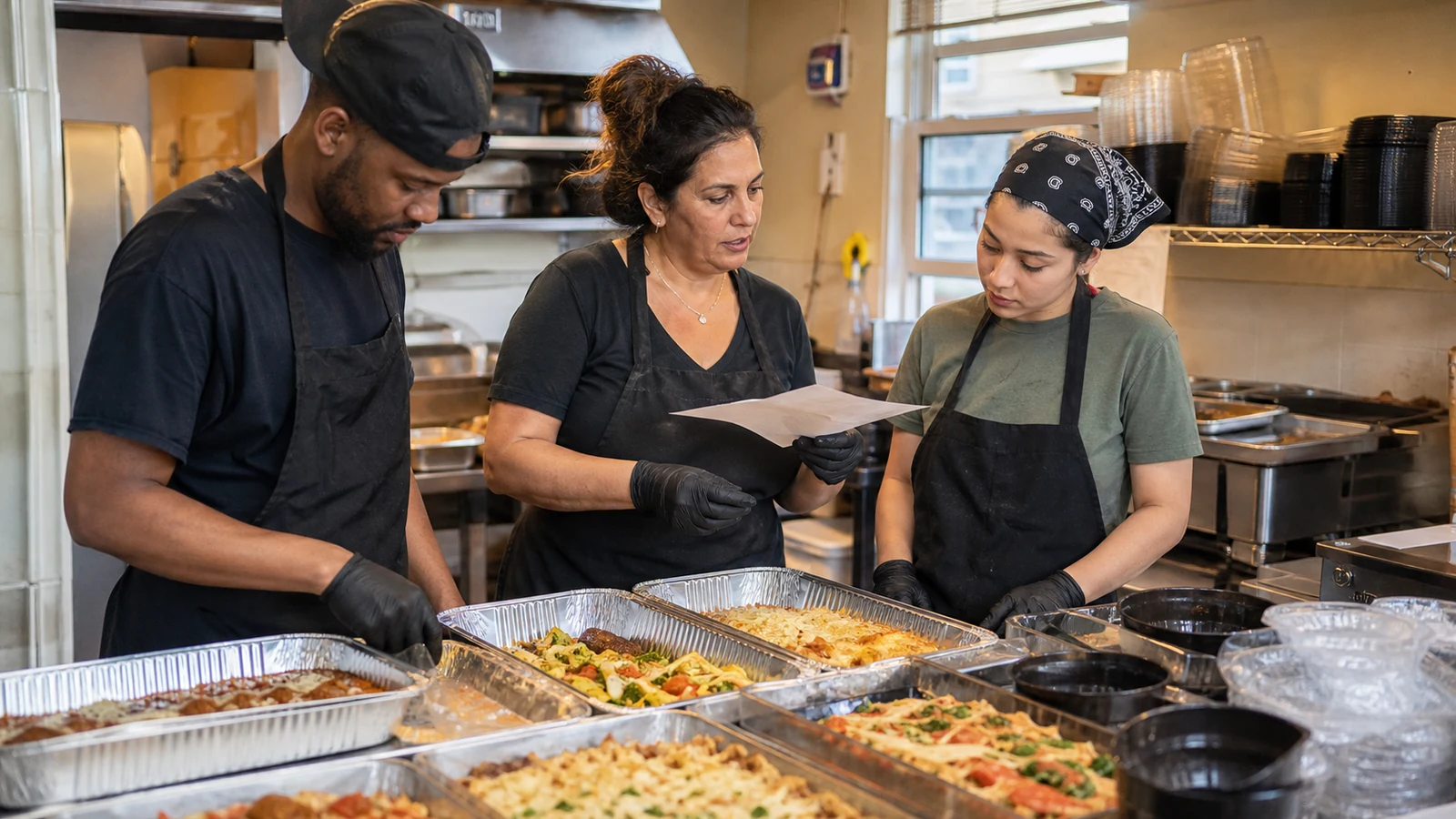
Use recent photographs of:
- Private rooms
- Buffet or plated setups
- Catering packaging
- Staff preparation
- Decor options
- Previous events with permission
Short testimonials can help when they describe a relevant detail such as communication, timing or handling a large group. Do not use a generic five-star quote as a substitute for useful information.
Create a booking page
Send campaigns to a focused page rather than a generic homepage.
The page should include the offer, images, key terms, availability context, common questions and one clear inquiry form. Ask only for details needed to evaluate the request:
- Name and contact information
- Preferred date
- Estimated guest count
- Event type
- Location
- Important notes
Confirm what happens after submission and how soon the team normally responds.
Use a simple campaign sequence
A practical schedule:
Six to eight weeks before the booking window
- Publish the package and booking page.
- Contact previous customers and referral partners.
- Share the first proof-based social post.
- Update relevant website and Google Business Profile information.
Four to six weeks before
- Run local awareness or lead campaigns if budget allows.
- Publish menu, space or process details.
- Answer frequent questions in social content.
- Follow up with open inquiries.
Two to four weeks before
- Promote remaining dates honestly.
- Shift attention toward pickup packages or smaller bookings if large events are closed.
- Retarget people who visited the booking page when appropriate.
Final week
- Stop selling services the operation cannot fulfill.
- Promote gift cards, future reservations or the next seasonal occasion.
Track bookings, not applause
Social engagement may show interest, but the operating measures are:
- Qualified inquiries
- Bookings
- Average booking value
- Revenue by offer
- Available capacity
- Inquiry source
- Reason bookings were lost
If one offer produces many questions but few bookings, the issue may be price clarity, availability, fit or slow follow-up.
Start with the calendar
List the dates and capacity you need to fill. Then work backward through the customer’s planning window.
Soundview Marketing Group helps Long Island hospitality and event businesses build seasonal campaigns around real capacity, clear offers and measurable bookings.