
What Long Island Service Businesses Should Do the Week After a Storm
The phone started ringing at 6:40 a.m.
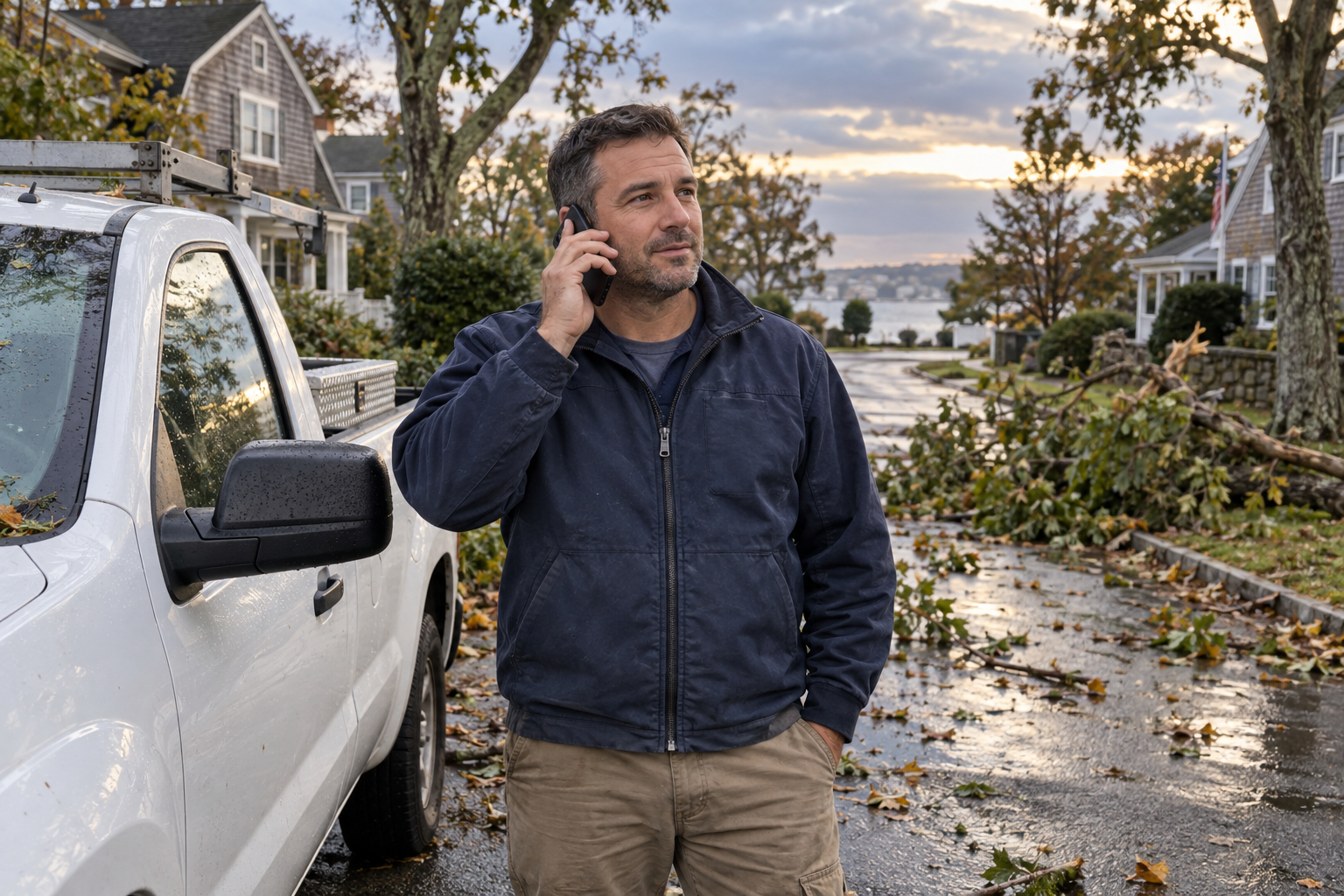
Dan runs a four-person tree service out of Massapequa. The morning after the nor’easter, he had 23 voicemails, a truck with a flat, and one crew member stuck behind a downed pole in Seaford.
By noon, he’d called back eight people. Four had already booked someone else. Not because that company was better. Because they answered first and showed up where people were looking.
That’s the real story of the week after a storm on Long Island. Demand spikes overnight, but it doesn’t wait. The businesses that win are the ones customers can find, reach, and trust in the first few days. Here’s how to be one of them, day by day.
Dan’s story is a composite of what we see after storms.
Days 1 and 2: Fix your Google Business Profile first
After a storm, most homeowners don’t go to your website. They search “tree removal near me” or “emergency roof repair Long Island” and call whoever shows up in the map results. Your Google Business Profile is your storefront this week.
Take 20 minutes and update it:
- Hours: If you’re running extended or weekend hours, say so. If you’re closed, say that too, so people don’t waste a call.
- Services: Add storm-specific services like emergency tree removal, tarping, or water extraction if they aren’t listed.
- A post: Write two or three sentences. What you’re handling, which towns you’re serving, and the best way to reach you.
- Phone number: Make sure it goes to a phone someone will actually answer, or to a voicemail that says when you’ll call back.
If you’re booked solid, say that honestly and offer a waitlist. “We’re booked through Thursday, but we’re taking names for Friday” keeps customers from moving on.
Days 1 to 3: Reach your past customers before anyone else does
Your existing customers already trust you. After a storm, they’re the easiest calls you’ll get, as long as you reach out first.
Send a short text or email to everyone you’ve worked for in the last two or three years. Keep it simple:
“Hi, it’s Dan from Harbor Tree Service. We’re checking in after the storm. If you have damage or a tree that looks unsafe, reply here and we’ll get you on the schedule. Past customers get priority this week.”
That last line matters. It rewards loyalty and gives people a reason to call you instead of searching. If you don’t have a customer list in one place, this storm is your reminder to build one.
Days 2 to 4: Put a storm banner on your website
Some people will still find you through your website, especially if a neighbor passed along your name. Don’t make them dig.
Add a banner at the top of your homepage: “Storm damage? We’re booking now in [your towns]. Call or text [number].” If you have an hour, build a simple storm-response page that answers three questions: what you handle, where you work, and how fast you can get there.
That page keeps working long after this storm. Every time a nor’easter or hurricane rolls through, you update the date and it’s ready to go.
Days 3 to 5: Run small, local ads where the damage is
Storms don’t hit every town the same. A nor’easter might flood the South Shore and barely touch the North Fork. So don’t spend money across all of Long Island.
Pick the five to ten towns where you’re seeing the most calls and aim your Google and Facebook ads there. A modest daily budget over a week, focused on the right zip codes, usually beats a big budget spread thin.
One rule: only run ads if you can handle the work. Paying for calls you can’t return is worse than not advertising at all. It burns money and your reputation at the same time.
Sound like a neighbor, not a storm chaser
Every big storm brings out-of-town crews knocking on doors with high-pressure offers. Long Island homeowners know it, and they’re wary.
That’s your advantage if you use it. In every post, ad, and message:
- Lead with local. Name the towns you serve and how long you’ve been there.
- Show your license. Nassau and Suffolk homeowners look for it, so put your license number where they’ll see it.
- Keep pricing fair and clear. New York’s price gouging law applies during abnormal market disruptions like major storms, and overcharging now costs you customers for years.
- Skip the scare tactics. “Is your roof about to fail?” feels pushy. “We’ll take a look and tell you honestly” builds trust.
The businesses that stay calm and helpful this week are the ones people call first next time.
Days 5 to 7: Turn storm jobs into long-term customers
Storm work is emergency work. But the customer you help this week could become a customer for the next ten years, if you follow up.
Within a day or two of finishing each job:
- Ask for a review. People are grateful after you fix a real problem, and that’s the best time to ask. Send a text with a direct link. (Here’s why reviews matter more than most owners think.)
- Offer the next thing. A tree removal customer might need pruning in winter. A roof repair customer might want gutter guards before the leaves fall. Mention it once, without pushing.
- Add them to your list. Every new storm customer goes into your contact list, so next time you’re texting them first.
Dan’s second week went better than his first. He texted every storm customer for a review and picked up 14 new ones on Google. His phone rang more the following month than it did the week of the storm.
Get ready for the next one now
Long Island gets several of these a year between nor’easters, tropical storms, and winter blizzards. The scramble you just went through is avoidable.
While it’s fresh, write down what you’d do differently. Then set up a few things ahead of time:
- A saved Google Business Profile post you can publish in two minutes
- A pre-written text for past customers
- A storm-response page on your website, ready to update
- A clear plan for who answers the phone when calls triple
Our Storm-Season Prep guide walks through this in more detail, and includes a free Storm & Crisis Communication Plan you can download and fill in.
The week after is when trust gets built
Storms are stressful for your customers and for you. But they’re also the moments people remember who showed up, who answered, and who treated them fairly.
You don’t need a big marketing budget to win that week. You need to be findable, reachable, and ready before the calls start.
If you’d like help getting your business set up for the next storm, or want to know where you’re losing calls right now, start with a Free Growth Plan. We’ll look at how customers find you today and give you a clear, Long Island-specific plan to fix the gaps.